Small businesses across Africa are increasingly turning to ERP systems to streamline operations, improve efficiency, and scale sustainably. In 2026, ERP adoption among SMEs is growing rapidly, driven by the need for better financial control, inventory management, and real-time decision-making.
However, choosing the right ERP system can be challenging. With multiple options available, businesses must consider factors such as cost, scalability, ease of use, and local support.
This guide explores the best ERP software for small businesses in Africa, helping you make an informed decision.
What Small Businesses Should Look for in an ERP
Before selecting an ERP system, African SMEs should focus on key criteria:
Affordability Ease of implementation Scalability for growth Local compliance and multi-currency support Cloud accessibility
Cloud-based ERP systems are becoming the preferred choice because they offer better ROI and lower infrastructure costs compared to on-premise solutions.
1. Odoo – Best for Affordability and Flexibility
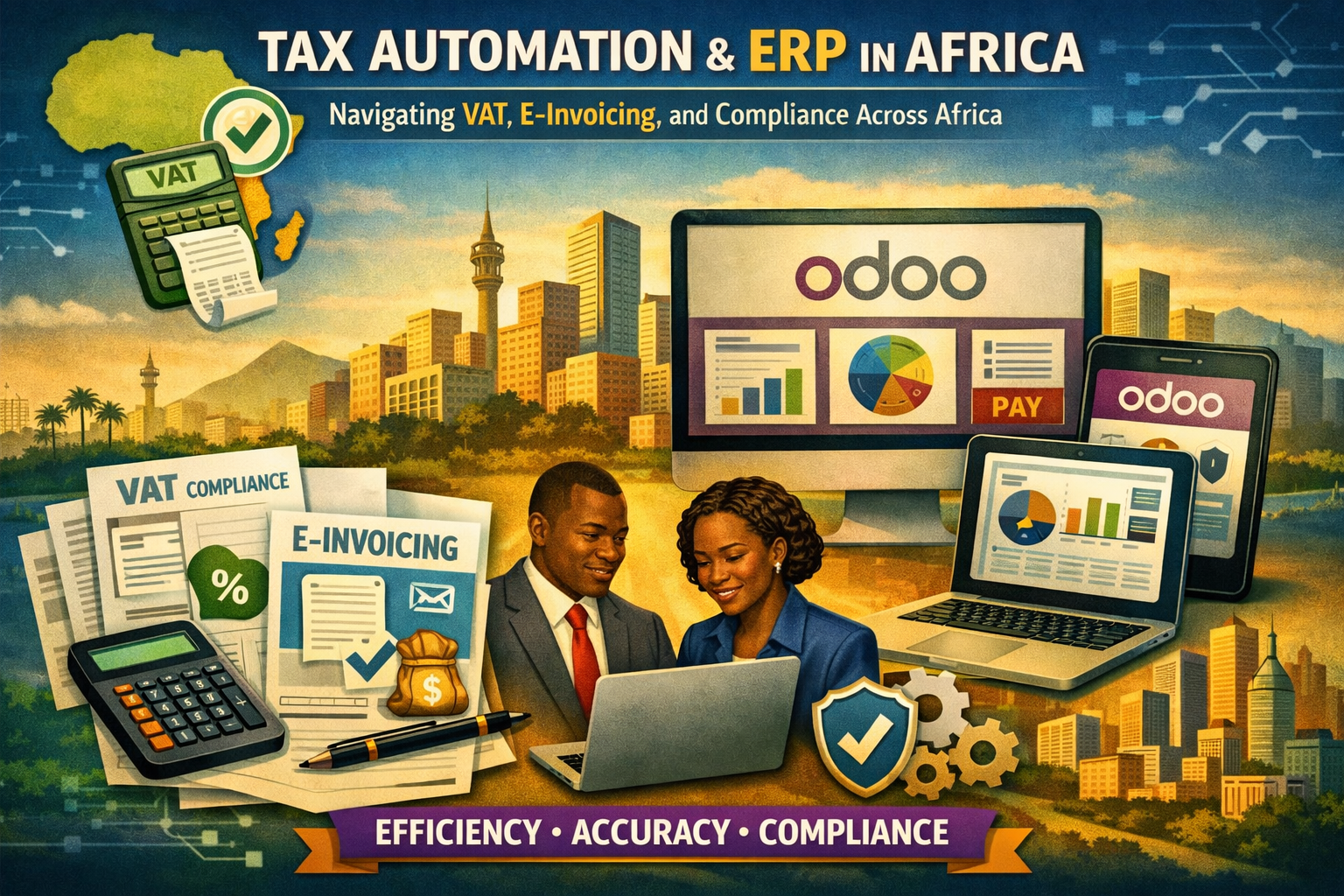
Odoo is one of the most widely used ERP systems among African SMEs. Its modular structure allows businesses to start small and scale as they grow.
Key strengths include affordability, a wide range of modules such as sales, accounting, inventory, and CRM, and high customization capabilities. It is also widely adopted across African markets, making it easier to find support.
This solution is best suited for startups and small businesses looking for a cost-effective, all-in-one platform that can grow with them.
2. SAP Business One – Best for Growing SMEs
SAP Business One is designed for small and medium-sized businesses that require more advanced capabilities.
It offers strong financial management, detailed reporting, and the ability to handle more complex operations. It also supports multiple currencies and compliance requirements, which is important for businesses operating across borders.
However, it comes with higher costs and requires more time to implement. It is best suited for established SMEs planning to scale into larger enterprises.
3. Microsoft Dynamics 365 Business Central – Best for Microsoft Users
Microsoft Dynamics 365 Business Central is a cloud-based ERP system that integrates seamlessly with tools like Excel, Outlook, and Teams.
It provides strong reporting capabilities, automation features, and a user-friendly interface. Businesses that already rely on Microsoft products will find this system easy to adopt.
It is ideal for SMEs looking for a balanced solution with strong ecosystem integration and scalability.
4. Oracle NetSuite – Best for Fast-Growing Businesses
Oracle NetSuite is a powerful cloud ERP platform designed for businesses experiencing rapid growth.
It offers advanced financial management, real-time analytics, and multi-country support. This makes it particularly useful for businesses expanding across different African markets.
While it provides strong capabilities, it is more expensive and may not be suitable for smaller businesses with limited budgets.
5. Sage 200 Evolution – Best for Local Compliance
Sage 200 Evolution is widely used across Africa, especially in Southern Africa, due to its strong focus on accounting and compliance.
It provides reliable financial management tools and supports local tax regulations, making it a trusted option for many businesses.
This system is best suited for SMEs that prioritize financial control and regulatory compliance.
6. Zoho One – Best for Budget-Friendly Simplicity
Zoho One offers a suite of integrated business applications at an affordable price.
It includes tools for CRM, finance, HR, and operations, making it a practical choice for small businesses with simple needs. Its ease of use and low cost make it attractive for startups.
However, it may not offer the depth of functionality found in more traditional ERP systems.
Key Challenges SMEs Face When Choosing ERP in Africa
Many African businesses encounter common challenges when selecting ERP systems. Limited budgets often restrict access to premium solutions. There may also be a lack of technical expertise, making implementation and maintenance more difficult.
In some regions, internet infrastructure can affect the performance of cloud-based systems. Additionally, finding experienced implementation partners can be a challenge.
Understanding these obstacles helps businesses make more practical and informed decisions.
How to Choose the Right ERP for Your Business
To choose the best ERP system, SMEs should begin by defining clear business goals. It is important to select a system that meets current needs while allowing for future growth.
Ease of use should be a priority, especially for teams with limited technical experience. Businesses should also work with reliable implementation partners to ensure a smooth rollout.
Cloud-based systems are often the best choice for flexibility and cost efficiency, particularly in the African context.
Final Thoughts
ERP systems have become essential tools for small businesses in Africa. They help improve efficiency, enhance decision-making, and support growth in a competitive market.
Solutions like Odoo provide affordability and flexibility, while options such as SAP Business One and Oracle NetSuite offer advanced capabilities for scaling businesses.
The key is to choose a system that aligns with your business size, budget, and long-term strategy. SMEs that make the right choice today will be better positioned to succeed in Africa’s rapidly evolving digital economy.