Citizen Service Platforms: Case Management for Municipalities with Odoo
Introduction
A citizen walks into a municipal office to report a pothole. The clerk writes the details in a ledger. The ledger is passed to the roads department. The roads department assign a team. The team fixes the pothole. The citizen never hears back. The clerk never knows the job was done. The ledger sits in a drawer, another piece of paper in a system that runs on good intentions but lacks the architecture of accountability.
This is the reality of citizen service delivery in many African municipalities. Cases are logged, but they are not tracked. Work is done, but it is not measured. Citizens are served, but they are not informed. Odoo provides a digital platform that transforms this fragmented, paper-based experience into a transparent, trackable, and accountable citizen service operation.
The Citizen Service Challenge
Municipalities face a unique combination of pressures that make service delivery difficult.
- The volume of citizen interactions is high and diverse, ranging from pothole reports and refuse collection complaints to building plan submissions and business licence applications.
- Citizens expect a response, but municipalities often lack the systems to track whether a response was provided, how long it took, and whether the citizen was satisfied.
- Public accountability demands transparency. Ratepayers and oversight bodies want to know how public funds are being spent and whether services are being delivered efficiently.
- Resources are constrained. Municipalities must do more with less, and manual, paper-based processes consume staff time that could be directed to actual service delivery.
Odoo’s Case Management Architecture
Odoo provides a structured case management platform that captures citizen requests, routes them to the appropriate department, tracks progress, and communicates outcomes.
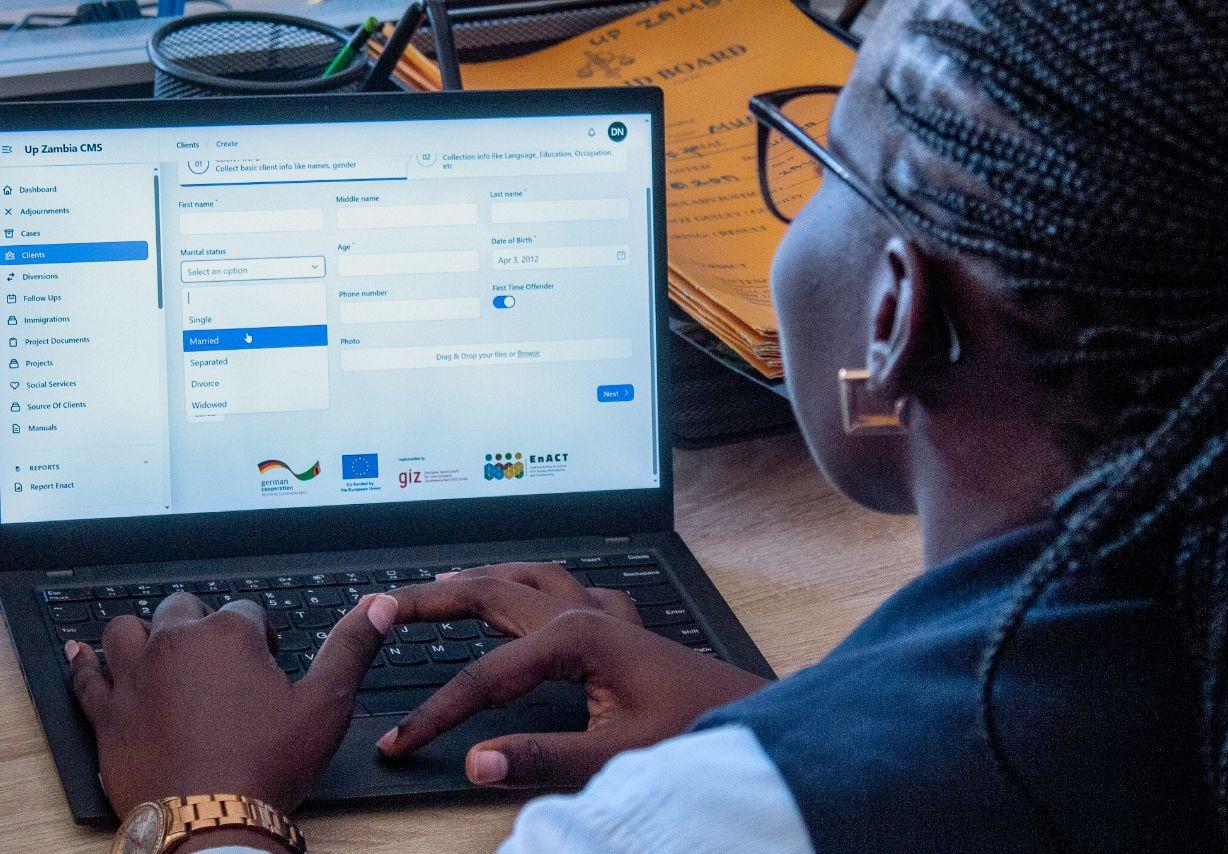
- A citizen service request is created in Odoo through multiple channels. A citizen can submit a request via a web portal, a mobile app, an email to a dedicated address, or a visit to a municipal office where a clerk enters the request into the system.
- The request is categorized by type, such as roads, water, sanitation, licencing, or health, and is assigned a unique reference number that the citizen can use to track progress.
- The case management workflow routes the request to the appropriate department and the appropriate team based on predefined rules. A pothole report in Ward 5 goes to the Ward 5 roads team.
- The assigned team receives a notification and can update the status of the case as work progresses. Statuses include received, acknowledged, in progress, resolved, and closed.
- The citizen receives automated updates via email or SMS as the case status changes. When the pothole is fixed, the citizen is notified and invited to provide feedback on the service received.
The Service Dashboard: Visibility and Accountability
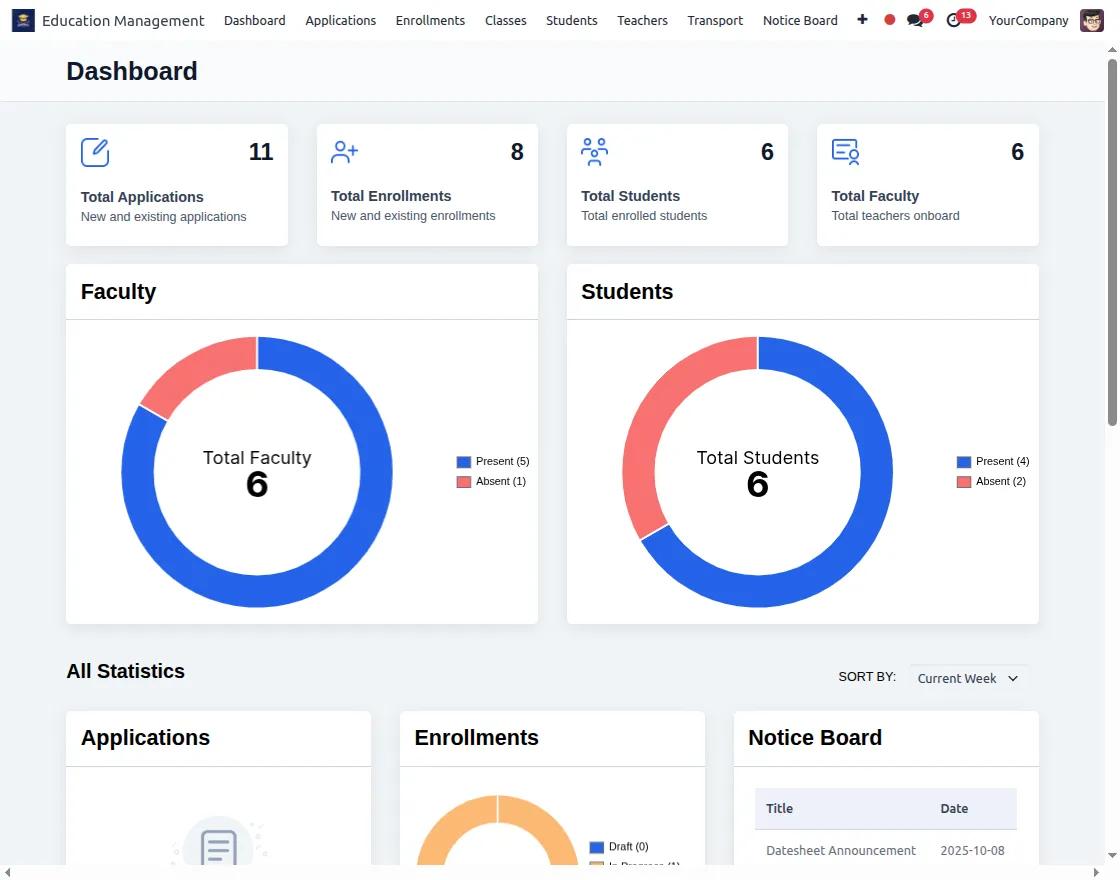
The service dashboard provides municipal managers with real-time visibility into service delivery performance.
- Key performance indicators are displayed on a single screen. Total cases logged, cases resolved, average resolution time, and cases by department are all visible at a glance.
- Service level agreement compliance is tracked automatically. If a pothole report should be resolved within seven days, the system flags cases that are approaching or exceeding this target.
- Departmental performance can be compared. Which ward is resolving cases fastest? Which department has the largest backlog? The data enables evidence-based management.
- Citizen satisfaction ratings, collected through post-resolution surveys, provide a direct measure of service quality and can be linked to individual teams and departments.
E-Procurement and Budget Transparency
Beyond case management, Odoo supports the broader municipal mandate for transparent governance.
- The e-procurement module manages the entire procurement lifecycle, from requisition to tender to contract award, with full audit trails and public transparency.
- Budget management provides real-time visibility into expenditure against approved budgets, enabling councilors and officials to make informed financial decisions.
- Asset management tracks municipal assets, from vehicles to water treatment plants, with maintenance schedules and cost histories.
- These modules integrate with the case management platform, providing a unified view of municipal operations.
Conclusion
Citizen service delivery is the core mandate of every municipality. When it works, citizens trust their local government. When it fails, that trust erodes, and the social contract weakens. Odoo provides the digital platform that enables municipalities to deliver services transparently, accountably, and efficiently. For African cities and towns that are growing rapidly and face increasing demand for services, the platform offers a path from paper-based fragmentation to digital integration.
Call to Action
Assess your municipality’s current service delivery capabilities.
- When a citizen reports a problem, can you track that report from receipt to resolution, and can the citizen see the progress in real time?
- Do you know your average resolution time for each category of service request, and is this improving over time?
- Are your procurement and budget processes integrated with your service delivery operations, providing a single view of performance and expenditure?