HR Digitization in Africa: From Paper Files to Intelligent Workforce Management
Introduction
Human Resources (HR) has long been the backbone of organizational success, yet in many African companies, HR processes remain stuck in the past. Paper files, manual payroll, and fragmented systems dominate, creating inefficiencies and compliance risks. As Africa accelerates toward digital transformation, HR digitization is becoming a strategic priority.
This shift is not just about replacing filing cabinets with cloud storage. It’s about reimagining workforce management through intelligent systems that integrate payroll, recruitment, performance, and compliance into one seamless platform.
The Paper Problem
Paper‑based HR systems create multiple challenges:
- Lost files: Employee records are easily misplaced.
- Slow onboarding: Manual processes delays recruitment.
- Compliance risks: Labour law requirements are harder to track.
- Limited analytics: Paper records cannot provide workforce insights.
In Zimbabwe, for example, companies relying on paper HR files often struggle to meet audit requirements, leading to fines and reputational damage.
The Rise of HR Digitization
Digitization involves moving HR processes into cloud‑based, integrated platforms. Key trends include:
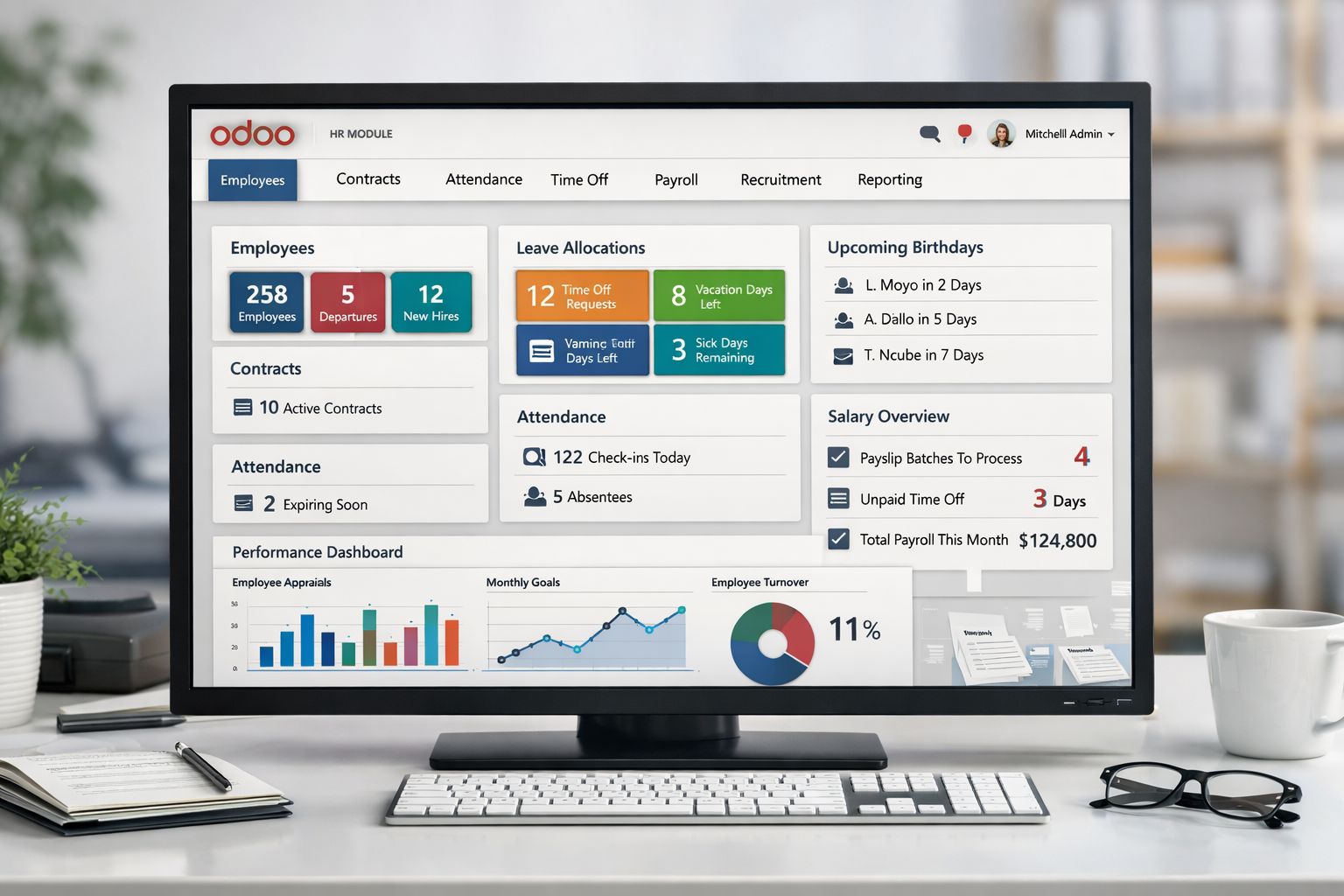
- Cloud HR systems: Platforms like Odoo HR and Sage streamline payroll, recruitment, and compliance.
- AI recruitment tools: Automating CV screening and candidate matching.
- Employee self‑service portals: Allowing staff to access pay slips, request leave, and update records.
- Mobile HR apps: Empowering employees to interact with HR anytime, anywhere.
Benefits of HR Digitization
1. Efficiency Gains
Digitized HR eliminates repetitive manual tasks, freeing HR teams to focus on strategic initiatives.
2. Compliance Assurance
Automated systems track labor laws, tax obligations, and pension contributions, reducing risks.
3. Employee Engagement
Self‑service portals empower employees, improving satisfaction and retention.
4. Data‑Driven Insights
Analytics provide visibility into workforce trends, absenteeism, and productivity.
Case Studies in Africa
- Kenya: SMEs adopting cloud HR reduced onboarding times by 40%.
- Nigeria: Banks digitized HR to meet pension contribution deadlines, avoiding sanctions.
- South Africa: Enterprises using AI recruitment tools cut hiring costs by 30%.
Challenges in HR Digitization
Despite the benefits, African companies face hurdles:
- Cost barriers: SMEs may struggle with subscription fees.
- Change resistance: Employees accustomed to paper systems may resist digital adoption.
- Infrastructure gaps: Limited internet access in rural areas slows digitization.
Actionable Steps for African Businesses
- Audit HR Processes, identify inefficiencies in current workflows.
- Select Scalable Platforms, choose systems that grow with the business.
- Train HR Teams, ensure staff understand digital tools.
- Engage Employees, communicate benefits of digitization to reduce resistance.
- Monitor KPIs, track onboarding speed, payroll accuracy, and employee satisfaction.
Conclusion
HR digitization is transforming African businesses from reactive administration to proactive workforce management. By moving beyond paper files and embracing intelligent systems, companies unlock efficiency, compliance, and employee engagement.
Call‑to‑Action
African companies should prioritize HR digitization now. Those who modernize their workforce management will not only reduce risks but also gain a competitive edge in attracting and retaining talent.