Understanding Digital Transformation in the African Context
Digital transformation refers to the integration of digital technologies into all areas of a business. It changes how companies operate, deliver value, and interact with customers.
In Africa, this transformation is driven by several factors, including increased internet access, mobile technology adoption, and growing competition across industries. Businesses are now expected to operate faster, smarter, and more efficiently than ever before.
However, many organizations still rely on manual processes or disconnected systems, which limits growth and creates inefficiencies. This is where ERP systems become essential.
The Role of ERP Systems in Digital Transformation
ERP systems act as the backbone of digital transformation by integrating core business functions into a single platform. These include finance, inventory, human resources, sales, procurement, and customer management.
Instead of using multiple disconnected tools, businesses can manage everything in one system. This improves visibility, reduces duplication, and enables better decision-making.
For African businesses, ERP systems are especially valuable because they help overcome operational inefficiencies and improve coordination across departments.
Automating Business Processes
One of the most significant contributions of ERP systems is automation. Tasks that were previously done manually, such as invoicing, stock tracking, and payroll processing, can now be automated.
This reduces human error, saves time, and allows employees to focus on more strategic activities. For example, with systems like Odoo, businesses can automate sales workflows, inventory updates, and financial reporting.
Automation is a key driver of productivity in African businesses that are aiming to scale efficiently.
Improving Decision-Making with Real-Time Data
In many African businesses, decisions are often made based on outdated or incomplete information. ERP systems solve this problem by providing real-time data and analytics.
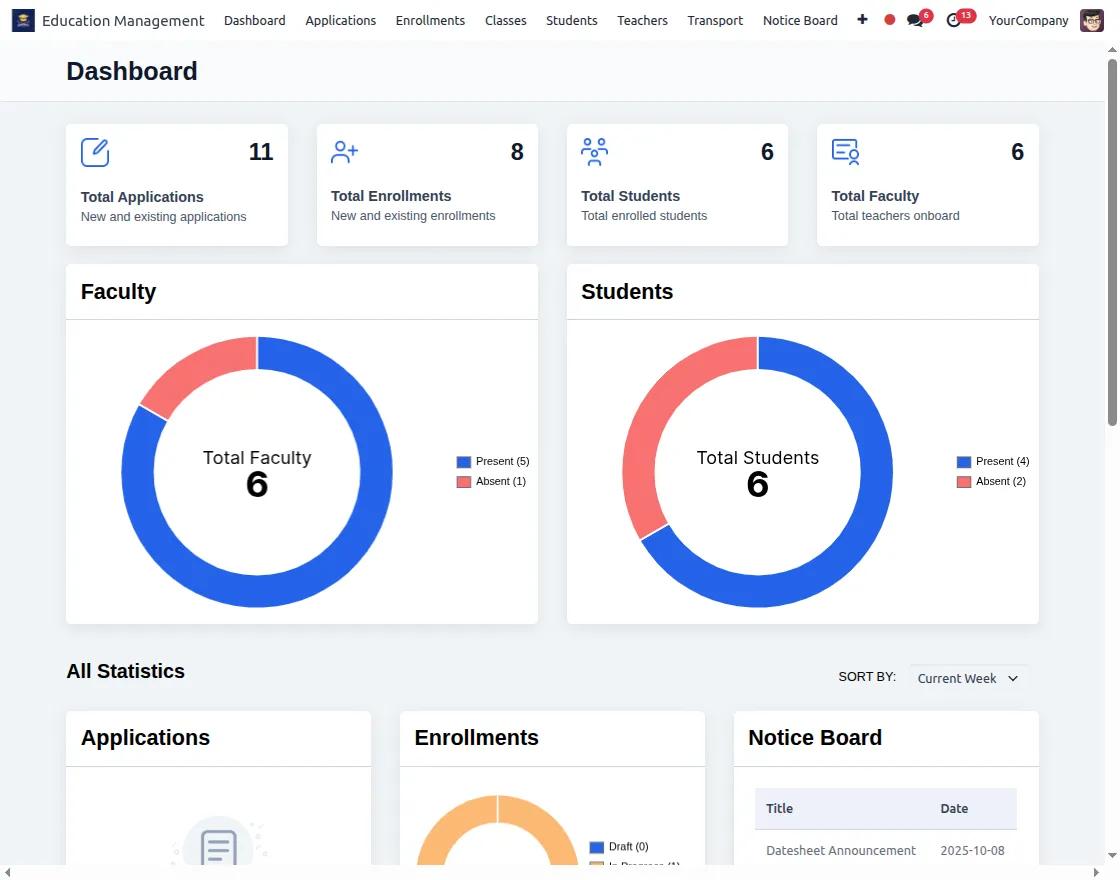
Managers can access dashboards that show sales performance, cash flow, inventory levels, and customer behavior instantly. This allows for faster and more accurate decision-making.
With systems like SAP ERP, large organizations can analyze complex data sets and gain deeper insights into business performance.
Enhancing Operational Efficiency
ERP systems eliminate inefficiencies caused by fragmented systems and manual processes. By centralizing data, businesses reduce duplication and improve workflow coordination.
For example, when a sale is made, inventory is automatically updated, financial records are adjusted, and procurement can be triggered if stock levels are low.
This level of integration improves efficiency across the entire organization, which is critical for businesses operating in competitive African markets.
Supporting Business Growth and Scalability
As African businesses grow, their operations become more complex. ERP systems provide the scalability needed to manage this growth effectively.
Cloud-based ERP solutions allow businesses to add new users, locations, and functionalities without major disruptions. This makes it easier for SMEs to expand regionally or internationally.
Systems like Odoo are particularly popular among growing businesses due to their modular structure and flexibility.
Strengthening Financial Management
Financial management is a major challenge for many African businesses. ERP systems help by providing accurate, real-time financial data and automated accounting processes.
Businesses can track expenses, manage budgets, generate financial reports, and ensure compliance with local regulations. This improves transparency and reduces the risk of financial mismanagement.
For larger enterprises, SAP ERP offers advanced financial tools that support complex accounting structures and multi-currency operations.
Enabling Better Customer Experience
Digital transformation is not only about internal efficiency. It also improves how businesses interact with customers.
ERP systems often include customer relationship management features that help businesses track interactions, manage leads, and improve service delivery.
By having a complete view of customer data, businesses can offer more personalized services, respond faster to inquiries, and build stronger relationships.
Overcoming Challenges in Africa
Despite the benefits, ERP adoption in Africa comes with challenges. These include limited IT infrastructure in some regions, high implementation costs, and lack of skilled personnel.
However, cloud-based ERP systems are helping overcome many of these barriers by reducing infrastructure requirements and lowering upfront costs.
Training and proper implementation support are also critical to ensuring successful adoption.
The Future of ERP and Digital Transformation in Africa
The future of ERP in Africa is closely tied to continued digital growth. As more businesses adopt cloud computing, artificial intelligence, and mobile technologies, ERP systems will become even more powerful.
We can expect greater integration between ERP platforms and emerging technologies such as machine learning, IoT, and advanced analytics.
This evolution will further accelerate digital transformation across African industries.
Final Thoughts
ERP systems are at the heart of Africa’s digital transformation journey. They enable businesses to move from manual, fragmented processes to fully integrated, data-driven operations.
Solutions like Odoo and SAP ERP are helping organizations across the continent improve efficiency, reduce costs, and scale sustainably.
As digital adoption continues to grow, businesses that invest in ERP systems today will be better positioned to compete and thrive in the future African economy.