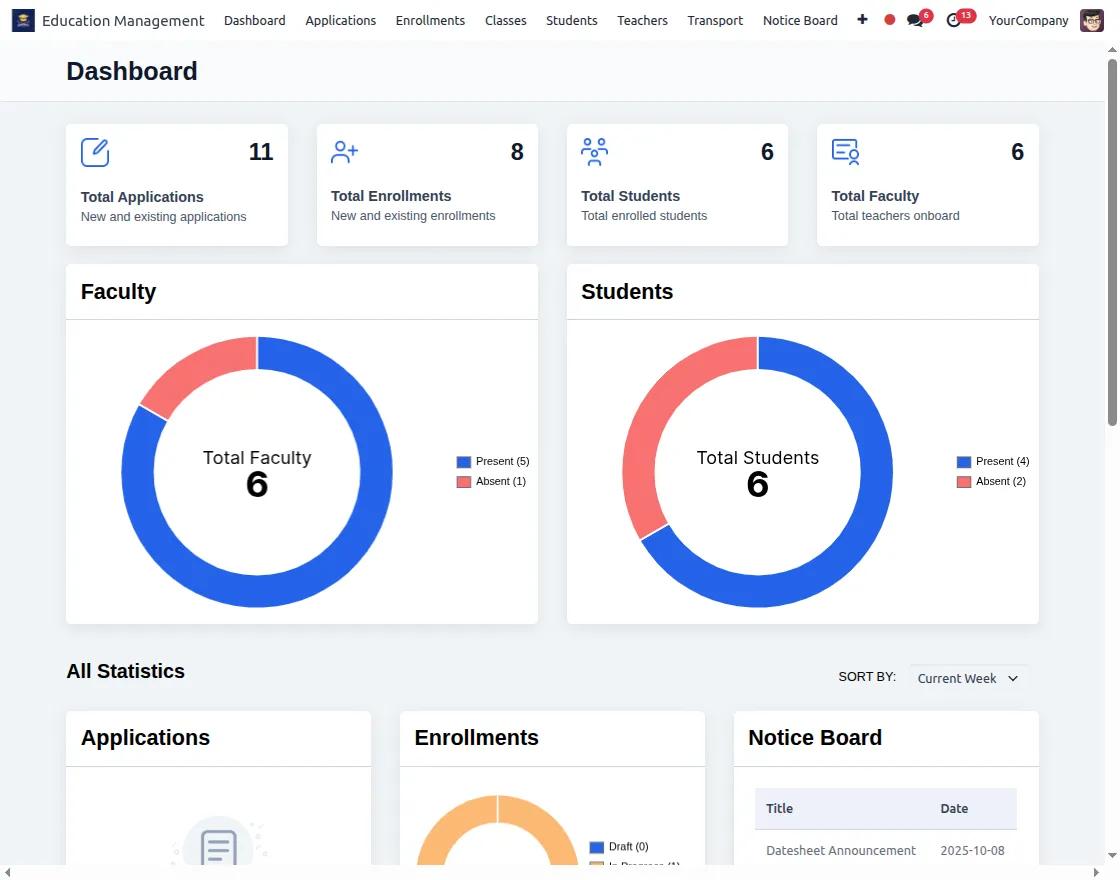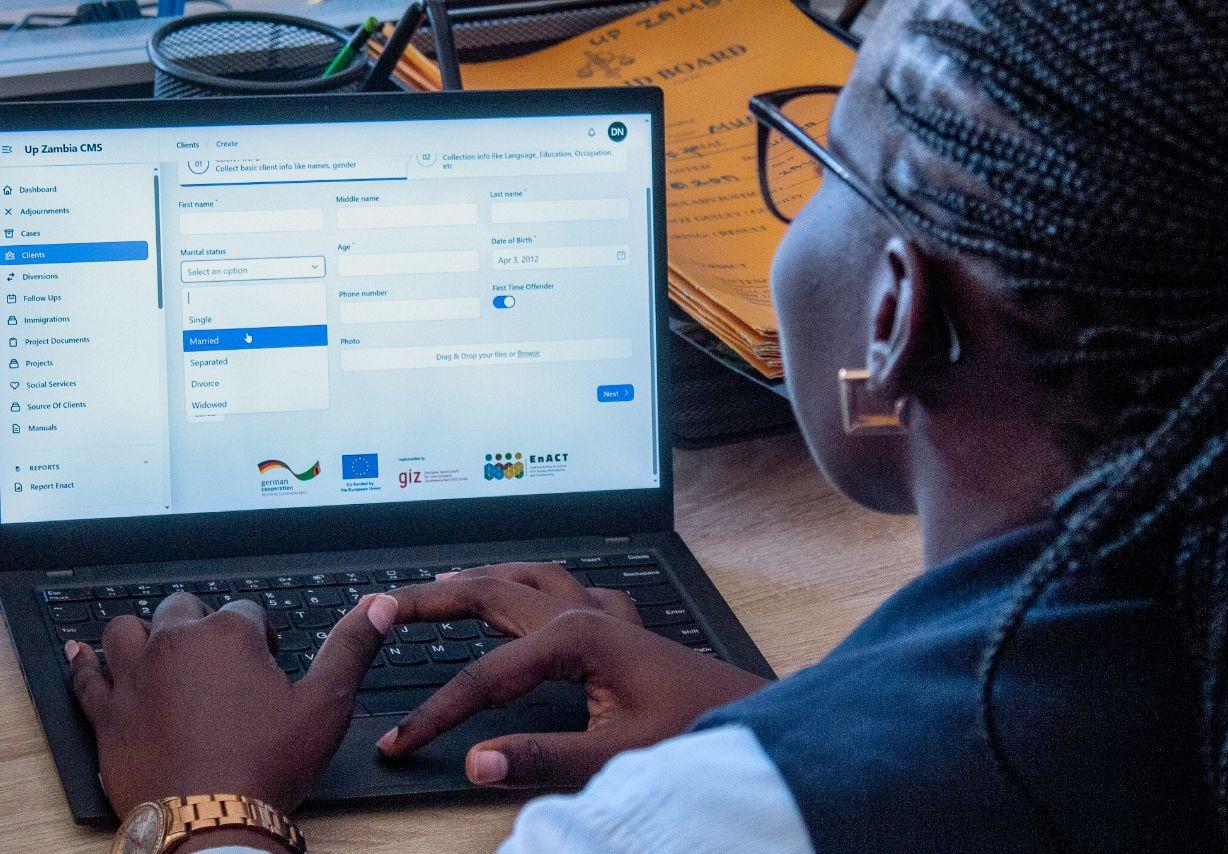
Implementing an Enterprise Resource Planning (ERP) system like Odoo in Malawi offers significant opportunities for business efficiency, integration, and data-driven decision-making. However, adopting such a system is not without its challenges. Malawian enterprises, ranging from small and medium-sized businesses to larger corporations, often encounter technical, operational, and cultural barriers when deploying Odoo ERP. Understanding these challenges and how localisation can address them is critical for ensuring a successful implementation and maximizing the value of the ERP system.
One of the primary challenges in Odoo ERP implementation in Malawi is technical infrastructure limitations. Many businesses operate in environments with inconsistent internet connectivity, limited access to high-performance hardware, and unreliable power supply. While Odoo offers cloud-based deployment options, these limitations can affect system responsiveness, data synchronization, and overall user experience. Companies must carefully assess their IT infrastructure and consider hybrid or on-premise solutions to maintain business continuity while taking advantage of Odoo’s capabilities.
Another significant barrier is limited local expertise in Odoo configuration and maintenance. Unlike established accounting or ERP systems with long-standing local support networks, Odoo is relatively new in the Malawian market. Finding skilled consultants or developers who can customize the system to meet specific business requirements can be challenging. Without proper expertise, companies risk misconfigured workflows, incomplete integrations, and underutilization of key features. Local Odoo partners play an essential role in bridging this gap by providing training, configuration support, and ongoing technical assistance.
Customisation and localisation of Odoo ERP is another critical factor for successful implementation in Malawi. Out-of-the-box, Odoo is designed to meet general business needs and international standards. However, Malawian businesses must ensure that the system aligns with local accounting practices, regulatory requirements, and operational workflows. For instance, tax modules need to reflect the Malawi Revenue Authority (MRA) standards, including VAT reporting, withholding taxes, and statutory returns. Inventory, sales, and procurement processes also require adjustment to match local business operations, distribution networks, and supplier practices. Failure to properly localize the system can lead to compliance risks, reporting errors, and employee frustration.
User adoption is another common challenge. Transitioning from legacy systems or manual processes to a fully integrated ERP requires significant change management. Employees must learn new workflows, adapt to automated processes, and trust the accuracy of system-generated data. Resistance to change is common, especially in organizations with long-established procedures. Successful implementation requires structured training programs, continuous support, and clear communication of the benefits of Odoo ERP to all stakeholders.
Cost considerations also play a role in ERP adoption challenges. While Odoo offers a modular pricing model, which can reduce upfront costs compared to some legacy ERP systems, the total cost of implementation—including customisation, training, data migration, and ongoing support—can be significant. Small and medium-sized enterprises in Malawi must carefully plan their budgets and evaluate the return on investment, ensuring that the benefits of automation, integration, and improved reporting justify the expenditure.
Data migration is another technical hurdle during implementation. Many businesses have accumulated years of financial, inventory, and operational data in disparate systems or spreadsheets. Migrating this data into Odoo requires careful mapping, validation, and testing to ensure accuracy and completeness. Errors during migration can compromise reporting, financial analysis, and operational continuity, making meticulous planning essential.
Despite these challenges, localisation strategies can significantly improve Odoo ERP adoption and effectiveness in Malawi. Localisation involves adapting the system to comply with local tax laws, accounting standards, operational practices, and language preferences. Businesses can leverage local Odoo partners or consultants to develop customized modules, configure workflows, and integrate reporting templates aligned with Malawi’s regulatory framework. Localisation ensures that the ERP system reflects the realities of Malawian business operations while providing accurate and compliant financial and operational reporting.
Training and capacity building are integral components of successful localisation. By equipping employees with the skills needed to operate Odoo ERP effectively, businesses reduce errors, improve workflow efficiency, and foster user confidence. Continuous support from local partners ensures that updates, new features, or changes in local regulations are incorporated into the system promptly, maintaining compliance and operational efficiency.
Another benefit of localisation is enhanced operational efficiency. By tailoring Odoo ERP to match local business processes, companies can automate repetitive tasks, optimize inventory management, and streamline procurement and sales processes. Integration across departments provides real-time visibility into operations, enabling better decision-making, improved customer service, and faster response to market changes. Proper localisation ensures that these benefits are fully realized while minimizing disruption to existing workflows.
In conclusion, implementing Odoo ERP in Malawi comes with a unique set of challenges, including infrastructure limitations, limited local expertise, user adoption barriers, cost considerations, and data migration complexities. However, these challenges can be effectively addressed through strategic localisation, which adapts the system to local business processes, tax regulations, and operational realities. By partnering with local experts, investing in training, and customizing workflows, Malawian businesses can maximize the benefits of Odoo ERP, achieving improved efficiency, compliance, and competitiveness in an increasingly dynamic business environment. Localisation is not just a technical requirement but a strategic approach to ensuring that Odoo ERP becomes a transformative tool for Malawian enterprises across sectors.